

There was greenery in a place surrounded by sand—a visit to Nakamura Tetsuji’s memorial park

- Five hours of rock and sand only
- The most famous Japanese person in Afghanistan
- What the 25.5-kilometer waterway changed
- December 4, 2019
- Suddenly appearing, green
- It's not clear when I'm in Japan.
- The age of AI where the importance of momentum is increasing—After the gap in intelligence is eliminated by AI, what remains in the end
- How to turn the benefits of ecosystems destroyed by AI to the side of those who benefit from them—and how to leave the other half behind
- The era in which AI will make individuals the most powerful—the reason we stopped looking for abilities that can't be matched by AI
Five hours of rock and sand only
It's a five-hour drive from Kabul. The air conditioning breaks down halfway through the drive, and the windows are left open all the way. The dust gets into the car. The air is bad from the start. Most of the way there was rock. There was only rock, sand, and dry air. The color of green was gone for hours. The road's pavement breaks down halfway through the drive, and the last 10 minutes are just a series of dirt ruts, and you can't even tell where the road is anymore.
The most famous Japanese person in Afghanistan
We went to Nakamura Tetsuji Memorial Park. He is one of the prominent Japanese people involved in Afghanistan. I don't know about his recent activities, but at least until a few years ago he was said to be "the most famous Japanese person in Afghanistan."
Originally a doctor. Someone who was treating Hansen’s disease in Peshawar, Pakistan, entered the world of water and civil engineering outside of their specialty after the 2000 Great Drought. He dug 1,600 wells and, starting in 2003, began constructing irrigation canals as the “Green Earth Project.” He dedicated the last decades of his life to this work.
The local name for him is "Kaka Murado." It means "Uncle Nakamura." In Afghanistan, it's largely thanks to this man that I am welcomed just by being a Japanese person. I have always felt that way.
What the 25.5-kilometer waterway changed
The Marwa Reed Irrigation Canal, which draws water from the Kunair River, is 25.5 kilometers long. It was fully operational in February 2010. This alone irrigates approximately 3,000 hectares. Including the maintenance of the surrounding water diversion dams, approximately 16,500 hectares are stably irrigated, supporting the lives of 650,000 people. Half the area of Fukuoka City has been converted into farmland. Abandoned villages are being restored one after another.
December 4, 2019
Mr. Nakamura was shot and killed while traveling by car in Jalalabad, the provincial capital of Nangarhar province on December 4, 2019. He was 73 years old. His Afghan colleagues who were also traveling with him also lost their lives at the same time.
The funeral was held on a massive scale even locally.
Suddenly appearing, green
Suddenly, ahead of the rocky and sandy path, a green space opens up. The scale is strange. This is Gambeli—the land once called the “Desert of Death”—and I finally understand what I was taught about it. This green space itself is the result of Tetsuya’s work.
A white marble memorial tower stands within the park. It is approximately 15 meters high and was completed in 2020, coinciding with Nakamura's birthday on September 15.
Before his death, he reportedly said, "If I die, I want it buried in Gamberi." Part of his remains are, as he said, in this place.
It's not clear when I'm in Japan.
From the perspective of us Japanese, a green park is just a familiar landscape. The true greatness and difficulty of embodying that in Afghanistan surrounded by sand is something that we Japanese will never understand.
This time, by actually experiencing the local area firsthand beyond the five-hour journey, I felt that I had gained a little understanding of the local people’s excitement.
↓Related articles are here↓
↓ Latest articles are here ↓
-
The age of AI where the importance of momentum is increasing—After the gap in intelligence is eliminated by AI, what remains in the end
This article examines what makes the difference in the AI era. In conclusion, it is said that "the part of the brain that is responsible for thinking and creating ideas..."
-
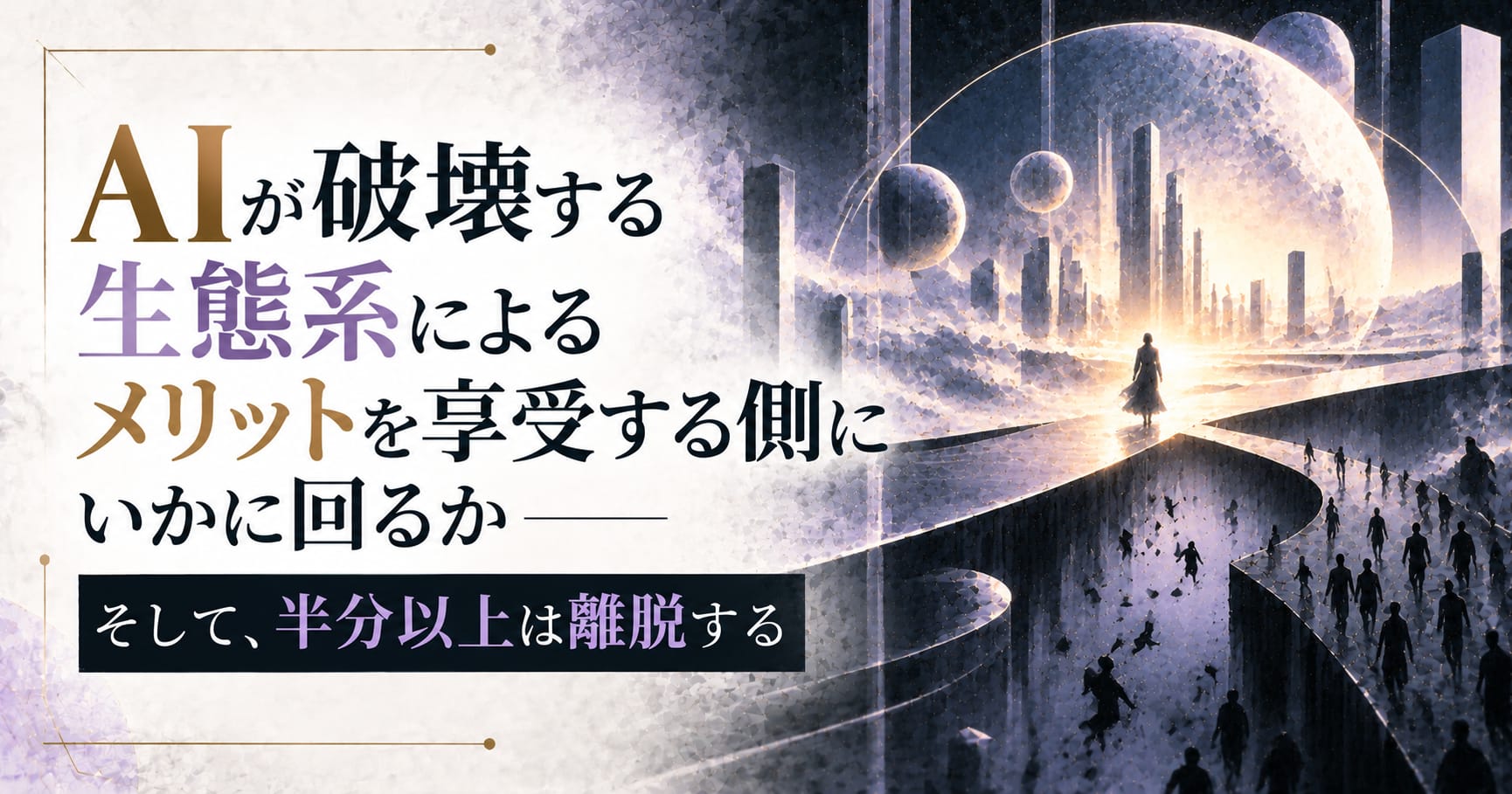
How to turn the benefits of ecosystems destroyed by AI to the side of those who benefit from them—and how to leave the other half behind
It is believed that businesses should start with what they want to do. However, the advent of AI is bringing a new wave to that. Sales…
-
The era in which AI will make individuals the most powerful—the reason we stopped looking for abilities that can't be matched by AI
Creating apps that only you use every day—replacing search or updating a handy tool for when you’re stuck—in an instant, now with AI…


