Even when a nation ends, schools continue. — Another question indicated by maaaru's network
- Can a nation protect education?
- The collapse of the premise that "the state provides education"
- Another answer, network
- Connecting people directly, bypassing nations
- Deconstructing the Concept of "School District"
- Where you are born shouldn't determine your potential.
- Things born outside the country
- 21st Century "Other Infrastructure" - As a Deliberate Design
- To remain a question
- Keep moving forward without waiting for the perfect answer.
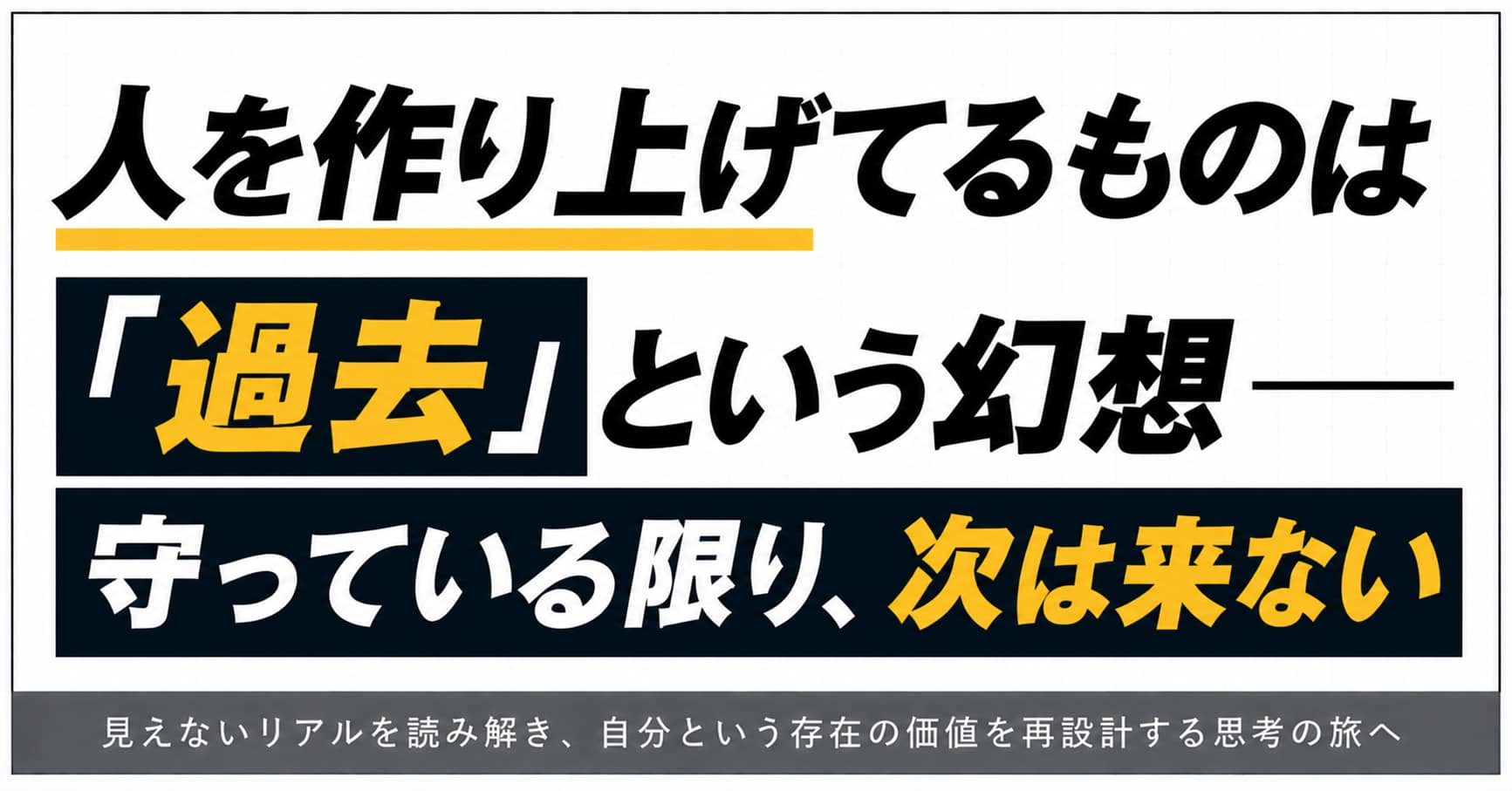
- What creates people is the illusion of a "past"—as long as we protect it, the next one won't come.
- Nothing is greater than your own capacity—no one, no information, no money, everything is determined by the limits of your tolerance.
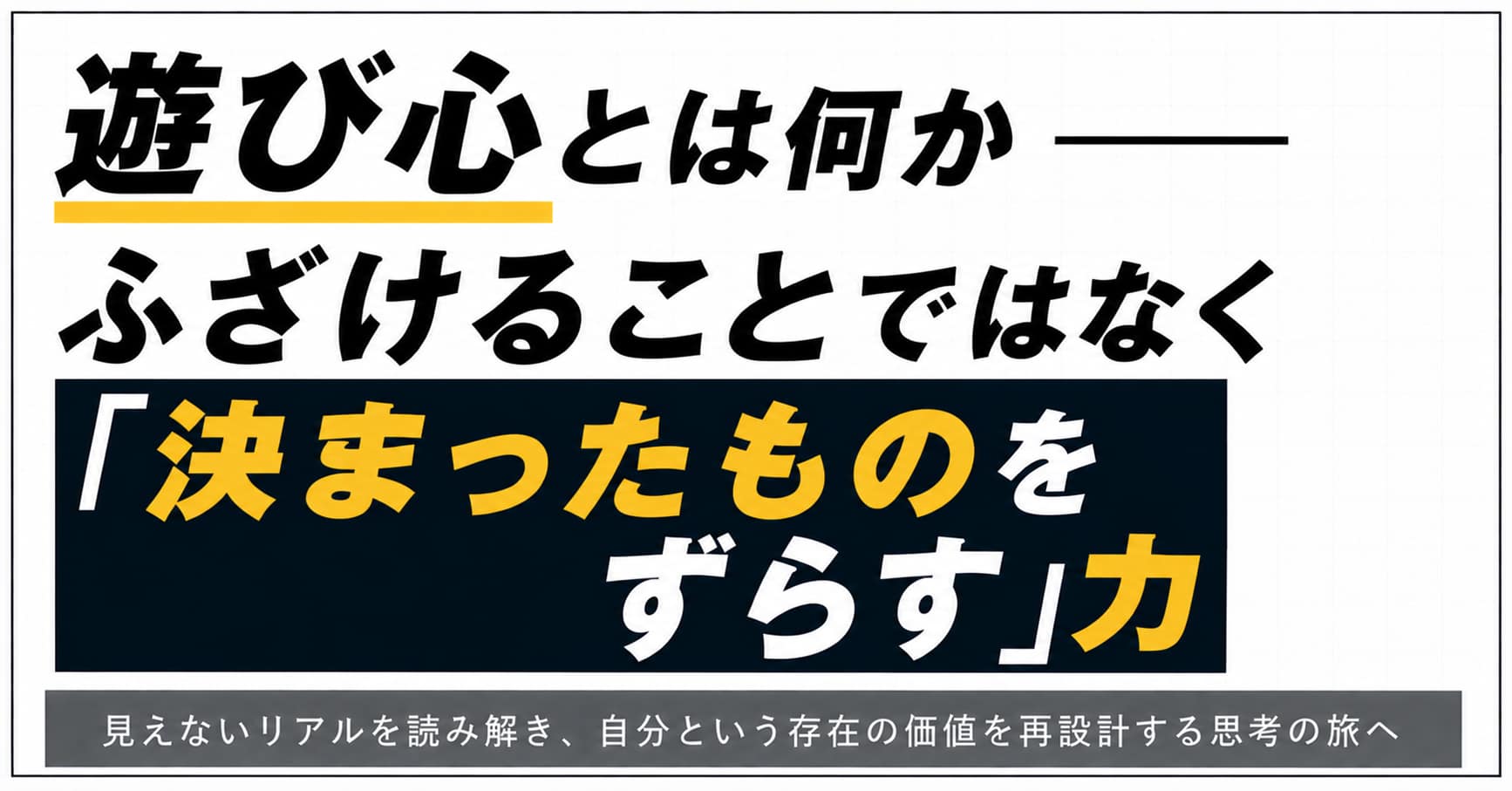
- What is playfulness? It is not about messing around, but the power to "shift the established."
Afghanistan. Syria. Haiti. Ukraine. Somalia.
As I browse maaaru's list of supported schools, I notice a fact. On the world map, there are supported schools in places that are difficult to call countries with stable political systems functioning. maaaru's schools are in regions where governments have collapsed, infrastructure has been destroyed, and the international community has thrown up its hands, deeming them "difficult to support."
This is not a coincidence.
This is because the structure of the network called "Maaaru" is designed to function outside of the state. And it fundamentally questions "What is education?".
Can a nation protect education?
The collapse of the premise that "the state provides education"
We unconsciously think, "Education is something provided by the state."
Schools are built by the country, teachers are hired by the country, curricula are decided by the country, and the costs are borne by the country. This premise lies at the foundation of our view of education.
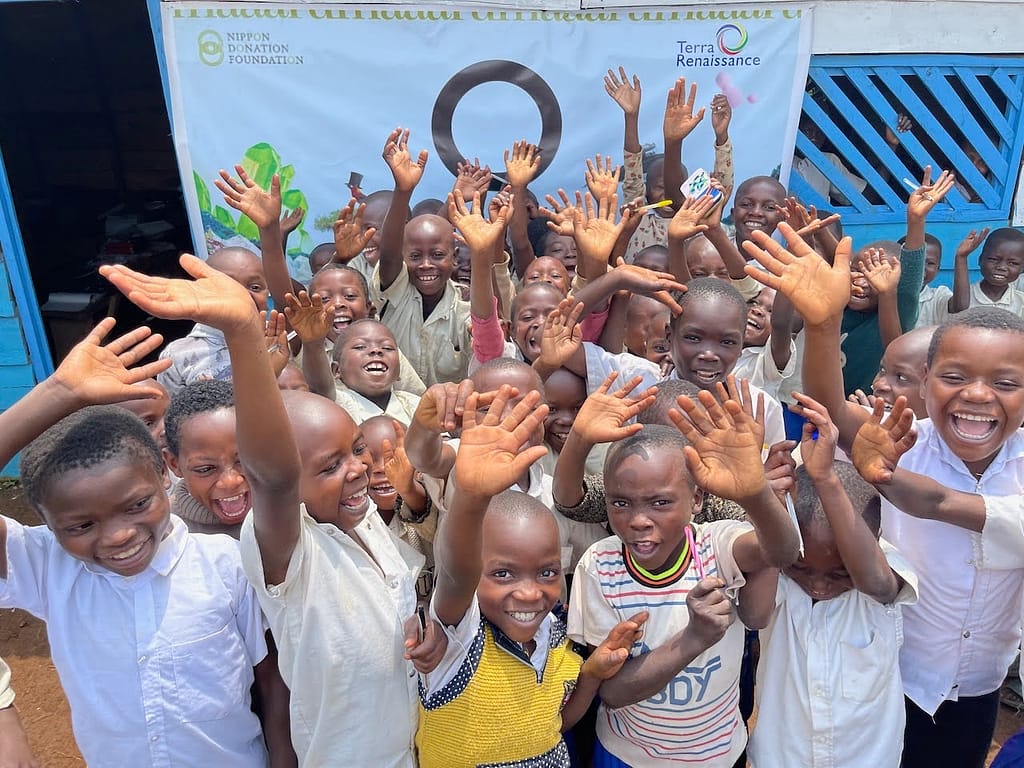
However, the reality that 300 million children worldwide are unable to attend school fundamentally negates this premise.
When a country fails, education stops. If war breaks out, schools close. If the government is corrupt, the budget disappears. If the political situation is unstable, teachers flee. The system of "the state providing education" only functions when the state is stable.
And in many parts of the world, the nation is unstable.
Another answer, network
Connecting people directly, bypassing nations
Then, where the state does not function, how is education protected?
What maaaru is suggesting is one answer. Instead of the state, networks will support education.
When schools in Afghanistan face a crisis, the Afghan government cannot help. However, the Maaaru network can connect with Japanese supporters and connect with the experiences of other countries to deliver supplies, knowledge, and funds.
This structure bypasses the concept of national sovereignty. It connects directly with local residents and local schools, crossing national borders. There's no need for governments to negotiate. Even if diplomatic relations deteriorate or economic sanctions are imposed, the network continues to operate.
This isn't just "international aid." What maaaru is doing is bypassing national borders and connecting people directly.
Deconstructing the Concept of "School District"
Where you are born shouldn't determine your potential.
The maaaru website uses the phrase "school district without boundaries."
At first, I put this forward as a beautiful slogan, but now I think it's the core of my ideology.
"School district" is originally a geographical boundary. Because you live in this area, you can attend this school. You cannot attend any other school. School districts are mechanisms that perpetuate inequality in educational opportunities.
Maru is trying to dismantle this.
Children in the mountainous regions of Nepal, children in the rural areas of Rwanda, and children in the urban slums of Cambodia all belong to the same maaaru network. Geographical chance should not determine the quality of education. Where you are born should not determine what you can learn.
This is not a theory of education, but an ontology. People cannot choose where they are born. However, we aim to change the world, even a little, where where you are born determines your potential. That is the central philosophy of maaaru.
Things born outside the country
21st Century "Other Infrastructure" - As a Deliberate Design
Movements like maaaru actually indicate a historical turning point.
The 20th century was the "age of the nation-state." The world was designed with the assumption that the state would provide education, healthcare, and infrastructure. However, that design is powerless in the face of failing states.
One of the things happening in the 21st century is that "another infrastructure" is emerging outside of nation-states. Networks of NGOs, platforms of technology companies, and communities of religious organizations are becoming infrastructures that support people's lives, either in place of or in parallel with nation-states.
Maaaru is one of them.
And importantly, this is something we're intentionally designing. We're building it from the ground up as an "educational infrastructure that functions outside the state."
To remain a question
Keep moving forward without waiting for the perfect answer.
While writing this article, I noticed that one question remained unresolved.
Who is responsible for educational infrastructure that operates outside of a country?
National education at least has the pretext of "responsibility to the nation." To whom is the maaaru network responsible? To its supporters? To the children? Or to some vague entity called "the world"?
I don't have a complete answer to this question yet.
However, there is one thing I can say. Even if the locus of responsibility is ambiguous, the fact that children can still go to school today comes before the debate. While waiting for the ideal theory of responsibility, children who need education will grow up.
Keep moving without waiting for the perfect answer. That's what it means to be maaaru.In less than two years, 250Is it because it crosses school boundaries?
Click here now if you would like to request support for school education ↓
↓About maaaru's actual activities↓
↓Click here for other articles about maaaru↓
↓ Latest articles are here ↓
-

What creates people is the illusion of a "past"—as long as we protect it, the next one won't come.
People are made up of what they have built up through their lives. They must cherish and protect what they have built, rise from failure, and continue to waver between regret and hope...
-
Nothing is greater than your own capacity—no one, no information, no money, everything is determined by the limits of your tolerance.
No good news comes. There are times when I feel that I haven't been lucky. But it's not that I haven't received it; it's just that I haven't been able to receive it...
-

What is playfulness? It is not about messing around, but the power to "shift the established."
Don't be fooled by the idea that "playfulness equals fooling around." First and foremost, playfulness is not just about messing around and being lazy...