50 million modern slaves—how do we resist the human trafficking structure that turns children into ”commodities”?
FinLi - Thinking from the project
Even at this very moment, someone is being turned into a "product."
Somewhere in the world, at this very moment, someone is being turned into a "commodity."
Human trafficking. When you hear this phrase, many people might feel it's a story from a faraway country, from a faraway time.
However, the reality is different. The International Labour Organization (ILO) estimates that approximately 50 million people worldwide are currently in a state of modern slavery. This includes forced labor, forced marriage, and sexual exploitation. Many of the victims are women and children. Furthermore, this number is an estimate, not a count of discovered cases. The reality lies in an even deeper darkness.
This isn't a story that can be dismissed with "poor thing." It's a story about structure. And it's a story about design, about what's needed to dismantle that structure.

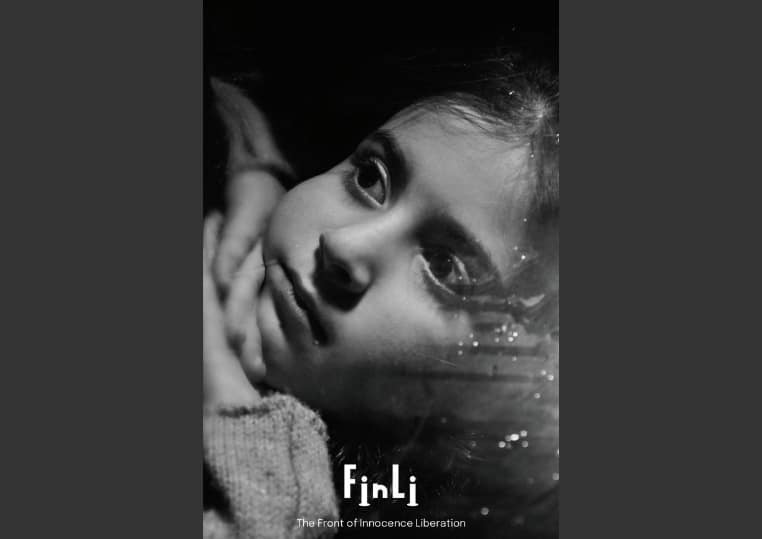
(Image is for illustrative purposes only)
The Limits of the "Rescue" Narrative
A problem of surface, not of point.
Before starting the FinLi project, I had seen many cases of human trafficking and rescue operations.
To find, protect, and "rescue" victims. These missions are often conducted secretly and covertly, but in some cases, cameras are rolling at the moment of rescue, the media reports on it, and it's recorded as an achievement by support organizations. While the rescues can be dramatic and symbolic, often receiving a lot of attention at the moment, they are surprisingly often forgotten afterward, even though the problems are far from over.
After being protected, where do victims go? Returning to their original villages means facing poverty and prejudice. Vocational training is meaningless if society doesn't accept them. Even if psychological care is needed, there are no specialists. Even if there were, emotional scars don't heal easily. Aiming to escape pain, they turn to drugs, and ultimately, many victims are drawn back into the cycle of exploitation.
The rescue is the "point." However, the activities after salvation are a matter of "line" – no, "plane." If we don't design everything from the entrance to the exit, and all the way to their lives beyond, we cannot say this tragedy has been truly resolved.
Why can't you see it?
Blending into society, the structure of harm
The most prominent characteristic of human trafficking is its invisibility.
Physical chains are no longer used. Instead, there is debt, blackmail, confiscation of passports, language barriers, and precarious legal status. These "invisible chains" trap victims in a state where they cannot escape.
And it's not just the chains that are invisible. The very structure of harm is embedded in the fabric of society.
We consumers buy products made with cheap labor. Employers who don't verify identities. Communities that look the other way. Human trafficking is not a crime caused only by "evil people." Societal indifference is its breeding ground.
Making the invisible visible. That is FinLi's starting point.
To be continued in Part 2
Click the banner below for more details on FinLi.