"I want to change the world" and "I want to change reality" all came down to "just changing myself." When the observer changes, the world takes on a new shape. That is the perspective.

Many people wish to change the world, change reality, and change their lives.
But is what we call "the world" truly fixed there, existing independently outside of us?
- The world doesn't ”exist,” but rather the observer creates it anew each time.
- The true meaning of "I want to change the world" is "I want to change my perspective."
- The world changes its shape depending on the observer—that is one's viewpoint.
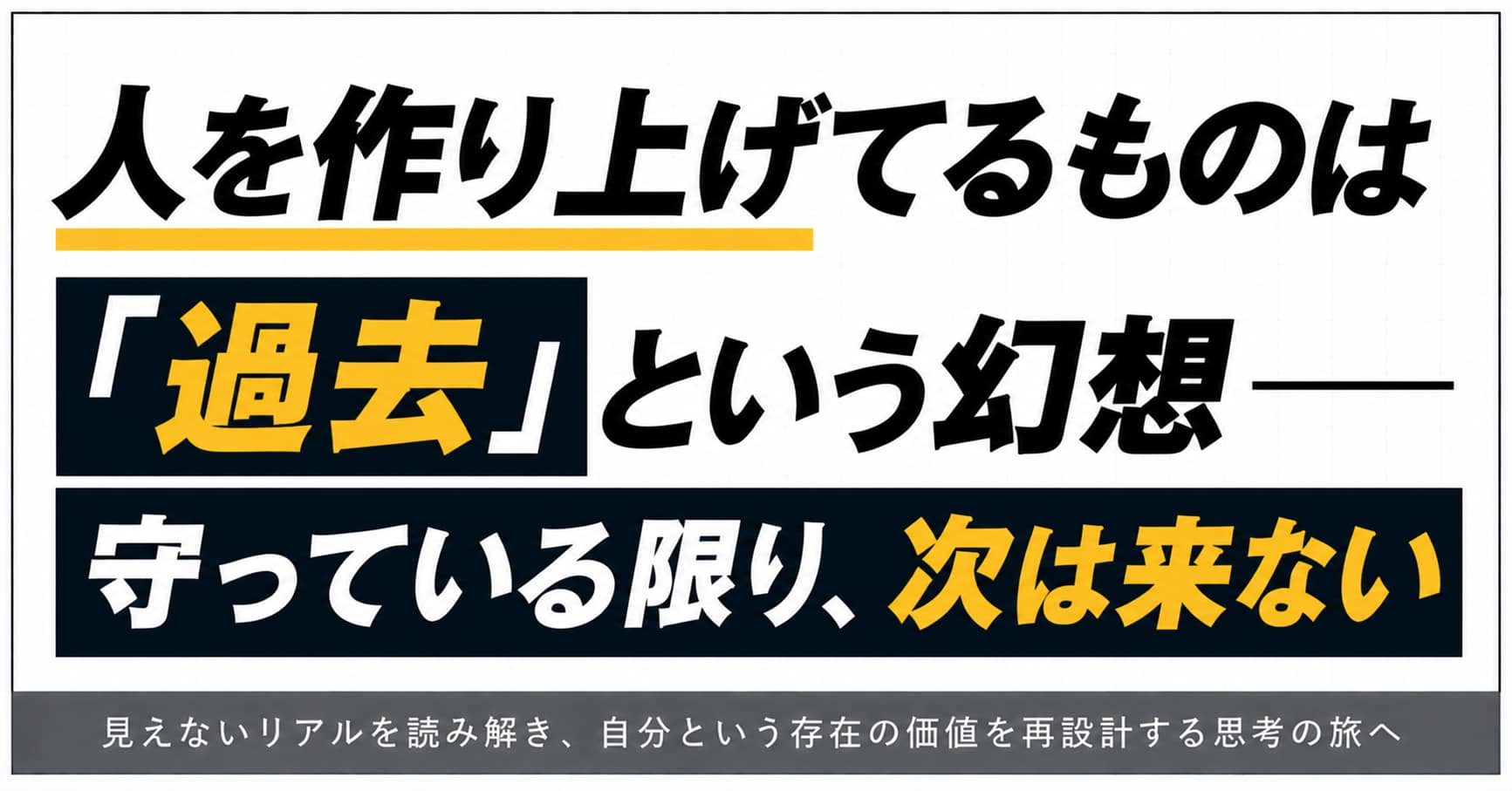
- What creates people is the illusion of a "past"—as long as we protect it, the next one won't come.
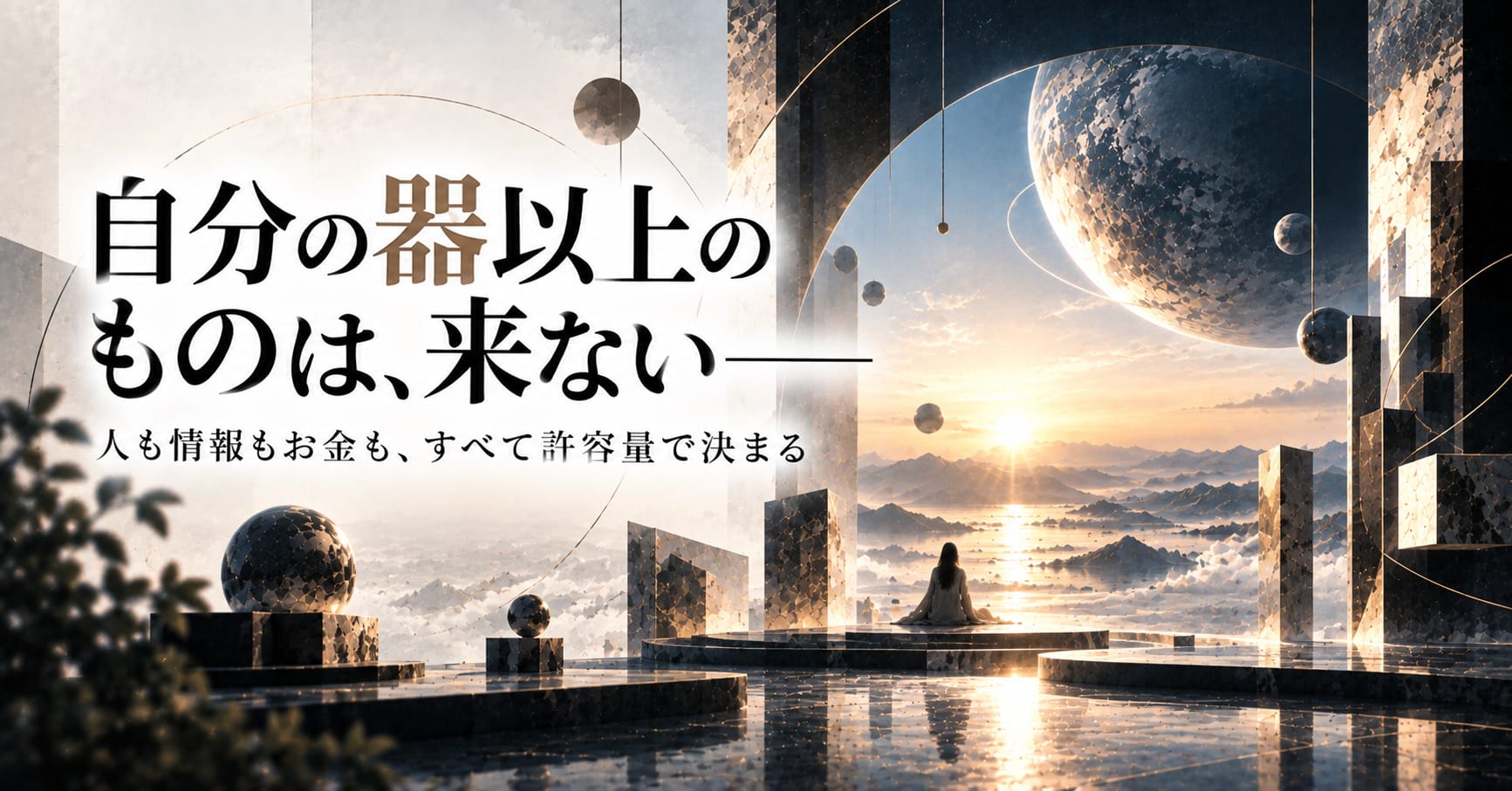
- Nothing is greater than your own capacity—no one, no information, no money, everything is determined by the limits of your tolerance.
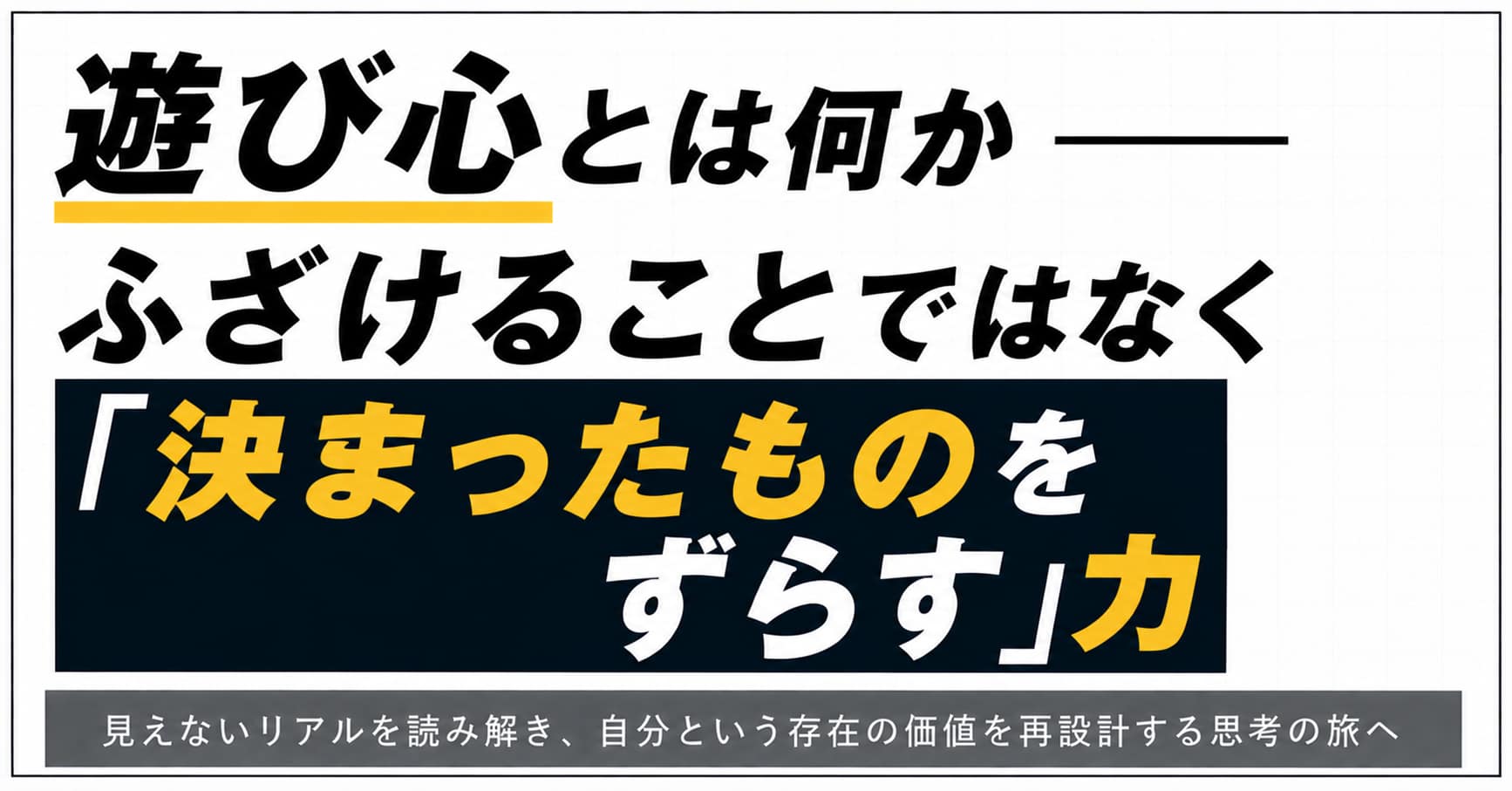
- What is playfulness? It is not about messing around, but the power to "shift the established."
The world doesn't ”exist,” but rather the observer creates it anew each time.
Even when witnessing the same event, a completely different world can emerge for each person. What seems like an unreasonable occurrence to one person might appear as a learning experience to another. The scenery that colors one person's daily life might simply be overlooked as mere background to someone else.
In other words, the world doesn't "exist" out there. It arises anew each time from the observer's perspective.
We usually think, ”The world exists, and I am in it.” But if you observe carefully, it's the opposite. "Because I exist, the world appears to exist." The subject and object suddenly switch.
This "framework of the observer"ViewpointIt is called. The world is newly generated each time, based on the coordinate axis of viewpoint.
The true meaning of "I want to change the world" is "I want to change my perspective."
When this reversal makes sense, the meaning of the words "I want to change the world" also changes.
What I truly want to change isn't external events or other people, but my own perspective – how I see things and what meaning I assign to them.
Strictly speaking, the desire to "change the world" or "change reality" was merely a restatement of "changing one's own perspective." The world is a function of one's perspective, so unless the perspective changes, the world will continue to present itself in the same form. No matter how much one changes their environment, relationships, or job, if the observing perspective remains the same, the same world will appear before them again.
Many people say they want to change reality but can't, not because of willpower or circumstances, but simply because they are mistaken about what needs to change. It's not the world that needs changing, but your perspective.
The world changes its shape depending on the observer—that is one's viewpoint.
What happens when your perspective changes?
The same event takes on a different color. The same human relationship holds a different meaning. The same scenery rises up as if it were another place. Changing one's perspective means beginning to live in the same world as if it were another world.
The world is the shape you see it as. Therefore, shifting your perspective is the same as shifting the world.
I hope people who are tired of trying to change the outside world find this perspective. The world isn't a stage that operates outside of yourself. It's a picture that your viewpoint redraws each time.
It wasn't the world I wanted to change. It was my own perspective, the side from which I was viewing the world, that I wanted to change.
When the observer changes, the world takes on a different shape. That is the true meaning of the word "perspective."
↓ For those who want to raise their perspective and fundamentally change their thinking, check out the Theta Corridor now ↓
↓ If you want to raise your perspective, check out this article now! ↓
↓ Latest articles are here ↓
-

What creates people is the illusion of a "past"—as long as we protect it, the next one won't come.
People are made up of what they have built up through their lives. They must cherish and protect what they have built, rise from failure, and continue to waver between regret and hope...
-
Nothing is greater than your own capacity—no one, no information, no money, everything is determined by the limits of your tolerance.
No good news comes. There are times when I feel that I haven't been lucky. But it's not that I haven't received it; it's just that I haven't been able to receive it...
-

What is playfulness? It is not about messing around, but the power to "shift the established."
Don't be fooled by the idea that "playfulness equals fooling around." First and foremost, playfulness is not just about messing around and being lazy...