I want to change myself, but I'm afraid of challenges. The true meaning of this—the phenomenon of broadening one's perspective

I want to change myself. I want to change my environment, start something new, and take that first step. Even though I think that, for some reason, my body won't move. Many people find themselves stopped by the feeling that they are afraid of challenges.
I want to write about the true nature of "fear of challenges" not as a moral tale, but as a structural one.
The word "challenge" feels a bit heavy. Words like courage and resolve seem to come along with it, and it also carries a sense of being tested. But the true value of a challenge isn't there.
When you take on challenges, you start to see things you couldn't see before. This is actually the biggest.
- A challenge is taking a step outside of your own coordinates.
- Perspective expands with the ”unknown density” of challenges
- The real truth behind "fear of challenges" is not failure.
- More than the fear of the outside, people fear the destruction of their own definitions the most.
- Challenges with a higher degree of the unknown, rather than challenges that seem winnable.
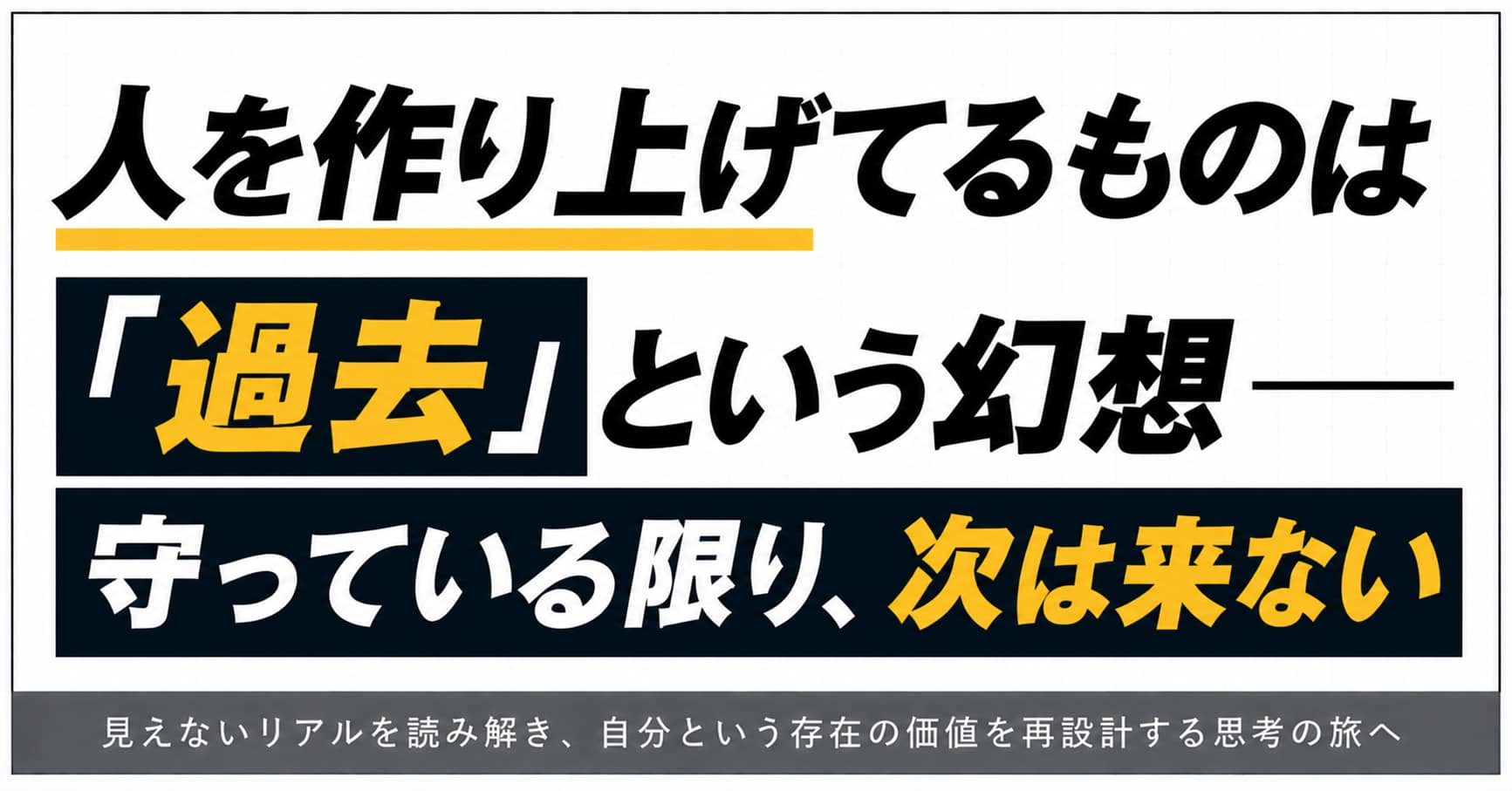
- What creates people is the illusion of a "past"—as long as we protect it, the next one won't come.
- Nothing is greater than your own capacity—no one, no information, no money, everything is determined by the limits of your tolerance.
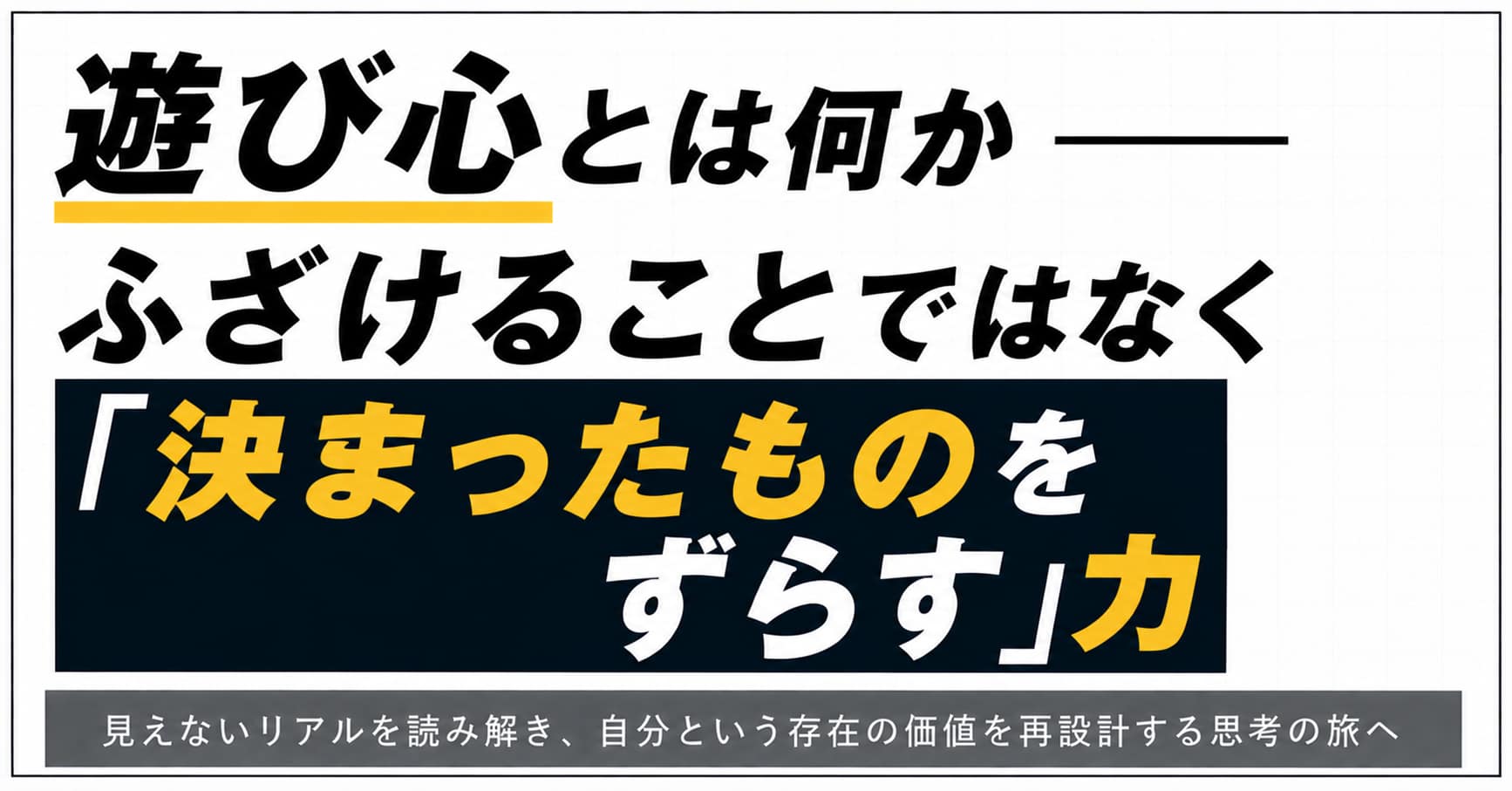
- What is playfulness? It is not about messing around, but the power to "shift the established."
A challenge is taking a step outside of your own coordinates.
I define a challenge as stepping into the unknown. It's taking a step outside the coordinates you've lived within so far.
What happens then?
My map of what it used to be can't interpret the scenery there. Events I can't explain and emotions I can't process wash over me. The existing framework naturally breaks.
This moment of "breaking" is the most important. After it breaks, the framework is rebuilt slightly wider than before. Information that couldn't fit before can now enter, and pressures that couldn't be withstood before can now be endured.
This isBroaden your perspectiveThat's what I think.
Perspective expands with the ”unknown density” of challenges
What's interesting is that the broadening of perspective is proportional not to the simple "number" of challenges, but to the "density" of encounters with the unknown.
Even if you do the same job for ten years, if the information you handle is the same, your perspective won't easily change. On the other hand, even if you immerse yourself deeply in a completely different place, culture, or relationship for just six months, that person will no longer see the world with the same eyes as before.
In other words, the intensity of newness has an effect. When you want to change yourself, immersing yourself in a dense unknown is much more effective than spending a long time.
The true nature of "fear of challenge" is not failureい
Many people think of challenges as external events, devising strategies, collaborating with others, and achieving something. Whether they succeed or fail, whether they do well or are ridiculed.
But in truth, the real challenge is happening internally. The rebuilding of thoughts, the wavering of values, the rewriting of self-definitions. Through these movements, existing operational structures collapse, and one's perspective broadens.
And here's the real reason people avoid challenges.
More than the fear of the outside, people fear the destruction of their own definitions the most.
The "fear of challenge" isn't simply a fear of failure. It's a fear of your current self being broken. However, broadening your perspective is precisely about that "current self" breaking down once and then being rebuilt in a wider way. Fear and growth are two sides of the same coin.
Challenges with a higher degree of the unknown, rather than challenges that seem winnable.
A challenge is not a story of courage. It is a pressure device intentionally designed to broaden one's perspective.
Redefining "challenge" in that way clearly changes the judgment of which challenge to choose.
Rather than a challenge that seems winnable,A challenge with high unknown concentration.If you want to change yourself, choose by the amount of the unknown, not the probability of success. Choose by the amount of fear you feel.
From there, your perspective begins to waver.
↓Check out "Theta Corridor" now for those who want to learn more about the concepts and structures of challenges and perspectives.↓
↓For those who have read articles about challenges and perspectives, we also recommend these articles↓
↓ Latest articles are here ↓
-

What creates people is the illusion of a "past"—as long as we protect it, the next one won't come.
People are made up of what they have built up through their lives. They must cherish and protect what they have built, rise from failure, and continue to waver between regret and hope...
-
Nothing is greater than your own capacity—no one, no information, no money, everything is determined by the limits of your tolerance.
No good news comes. There are times when I feel that I haven't been lucky. But it's not that I haven't received it; it's just that I haven't been able to receive it...
-

What is playfulness? It is not about messing around, but the power to "shift the established."
Don't be fooled by the idea that "playfulness equals fooling around." First and foremost, playfulness is not just about messing around and being lazy...